Yes, some engineered hardwood floors can be screened and recoated. The best candidates still have a sound finish, surface-level wear, and no widespread areas where damage has reached the wood.
Hardwood floor refinishing can usually be completed in a condo or apartment building, but the project may require approval from the condo association, HOA, co-op board, strata corporation, landlord, or
So, is it worth refinishing hardwood floors before selling? Sometimes, yes. But not every worn floor needs a full reset before the house goes live. In North America, professional hardwood
A floor can look worse right after refinishing because fresh finish changes how the whole surface catches light. It reflects differently. It has more contrast. Marks that were hiding under
Before sanding begins, a flooring professional is not just looking at scratches. That’s the part most homeowners see first, of course. But the real question is bigger: can this floor
Can refinishing damage hardwood floors? It can. But that does not mean refinishing is automatically dangerous or something to avoid. Most serious refinishing damage starts in one of two places:
At 1 DAY® Refinishing, we see this all the time: homeowners usually think about color, sheen, and how long the job will take first. Indoor air tends to become the
If you want the clean answer first, spring and fall are often the best time to refinish floors. Indoor conditions tend to be steadier, ventilation is usually easier, and most
At 1 DAY® Refinishing, we keep seeing the same thing: jobs that start smoothly usually had the prep handled on time, and the jobs that feel scattered usually did not.
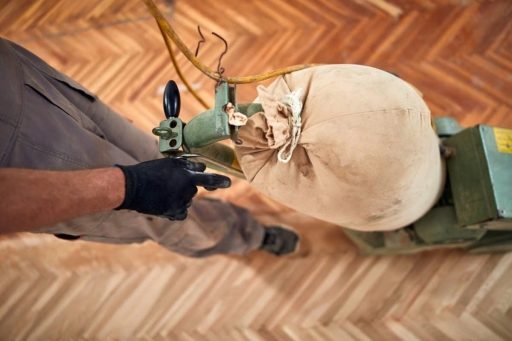
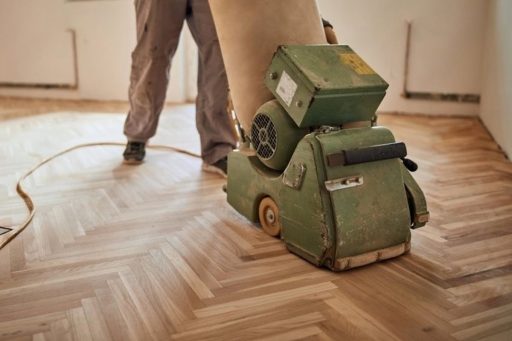
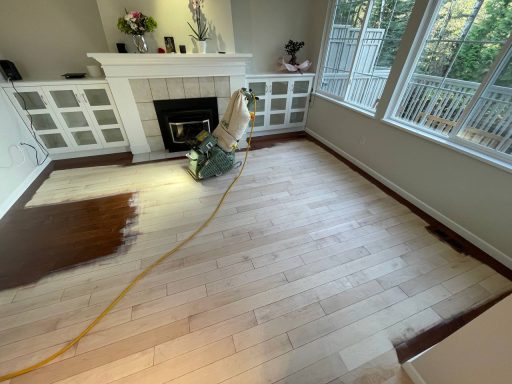
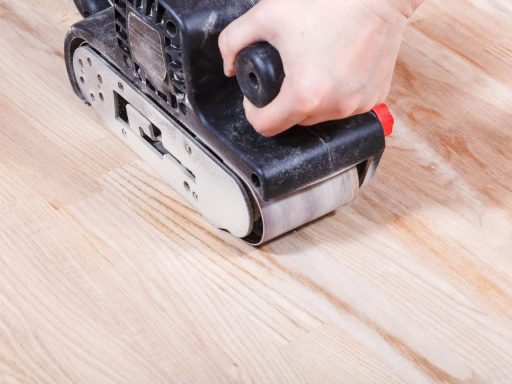
Hardwood floor refinishing is one of the most practical ways to bring tired wood floors back without replacing them. It restores beauty, helps protect the floor, and can support home
Is refinishing hardwood floors worth it? Short answer: yes, when the floor is structurally sound and the damage is mostly at the surface. No, when you are trying to solve
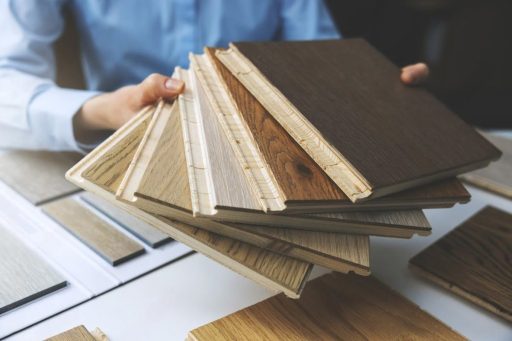
Engineered hardwood looks like solid wood when it’s installed. Feels like it too. But once sanding comes into the conversation, that similarity drops off pretty fast. Structurally, engineered floors are