
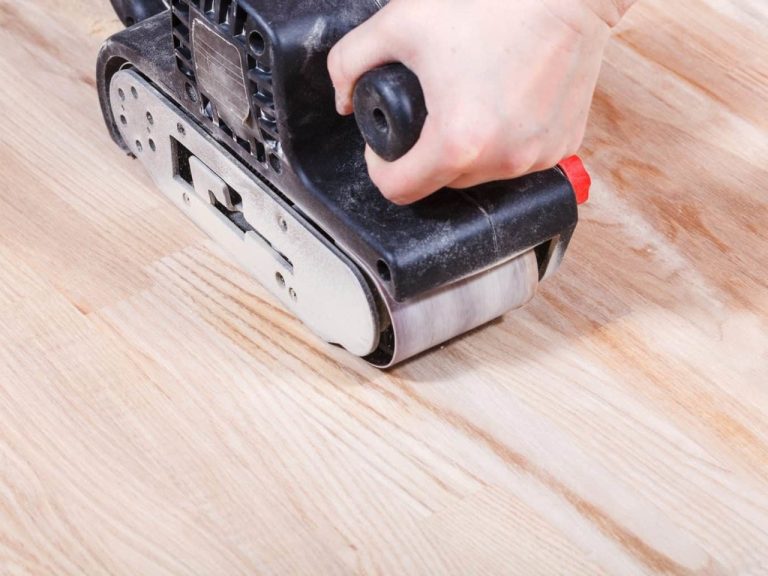
Engineered hardwood looks like solid wood when it’s installed. Feels like it too. But once sanding comes into the conversation, that similarity drops off pretty fast. Structurally, engineered floors are a different beast – real wood on top, layered core underneath – and that difference is exactly what limits how far you can go.
So let’s answer the big question early. Yes, some engineered hardwood floors can be refinished. Not all. And even the ones that can usually give you a very small margin for error. Most decisions come down to veneer thickness, whether the floor’s been sanded before, and how aggressive the sanding approach is.
From what we see on real jobs at 1 DAY® Refinishing, engineered floors don’t usually fail because refinishing is impossible. They fail because someone treats them like solid wood. Same machines, same pressure, same mindset. That’s when things go sideways. This guide is about knowing where the line is – and stopping before you cross it.
Quick Answer: Can Engineered Hardwood Floors Be Refinished
When Refinishing Is Possible
Refinishing engineered hardwood is possible when there’s enough real wood on top to survive sanding without exposing the core. Sounds simple. In practice, it rarely is.
We see refinishable engineered floors most often with higher-quality products – thicker sawn veneers, older installations, or floors that were site-finished instead of factory-finished. Those usually haven’t had as much material removed before you ever show up.
If the floor hasn’t been sanded previously, shows visible wood thickness at vents or thresholds, and the wear actually goes into the wood rather than just the finish, refinishing can be on the table. But even then, the approach has to be cautious. Slow. Controlled. No “just one more pass to clean it up.”
When It’s Too Risky to Try
Refinishing becomes risky fast once veneer thickness drops or gets inconsistent. Floors that have already been sanded once are especially tricky. On paper, they may look refinishable. In real houses? That remaining veneer is rarely even, board to board.
Distressed and wire-brushed engineered floors are another common trap. Those textures are cut into the veneer at the factory. Flattening them means removing wood – a lot of it – and that’s where sand-through happens in a hurry.
If you’re already seeing signs of core exposure, odd color changes, or swelling from past moisture problems, sanding almost always makes things worse. At that point, safer options usually exist – and we’ll get to those.
Want to get your hardwood floors refinished?
Engineered vs Solid Hardwood: What Changes When You Sand
Veneer Wear Layer vs Core Struct
Solid hardwood is straightforward. It’s wood all the way through. You sand it, you’re still sanding wood.
Engineered hardwood doesn’t work like that. Only the top layer is real wood. Underneath is a plywood or HDF core designed for stability, not looks. Once sanding reaches that layer, there’s no fixing it.
Here’s the part that catches people off guard. Veneer thickness isn’t always consistent. One plank might be fine. The next one over isn’t. That’s why engineered floors can look perfectly normal during sanding and then suddenly change color or grain pattern once stain hits. That’s the veneer limit showing itself.
Why Engineered Floors Have Less Margin for Error
Solid hardwood forgives mistakes. Engineered doesn’t. There’s no buffer zone. I’ve seen it plenty of times. Floor looks great raw. No warning signs. Then the stain goes down and – boom – pale patches where the grain just disappears. That’s not a finish issue. That’s sand-through.
And sanding deeper doesn’t help. It just spreads the damage. That’s why engineered floors demand restraint. Once you go too far, there’s no reset button.
How to Tell If Your Engineered Floor Can Be Refinished
Where to Check First (Vents, Doorways, Closets)
Before talking sanding methods, inspection comes first. Always. The best places to check veneer thickness are where the edge of the board is exposed – vents, transitions, thresholds, sometimes closets.
You’re looking for actual wood thickness above the core. Not finish. Not color. Real wood. If that top layer looks paper-thin, that’s a warning sign.
Closets help too. They’re usually less worn. Comparing a closet board to a hallway board can tell you how much material is already gone.
Measuring Wear Layer Thickness
We don’t rely on spec sheets alone. Manufacturer numbers are helpful, but real floors rarely match them exactly. Factory sanding, glue compression, and prior refinishing all change the picture.
As a rough guide, veneers around 3 mm or thicker may allow a careful refinish if the floor hasn’t been sanded before. That same threshold comes up often when we explain how thick hardwood floors need to be refinished. Thinner than that? You’re usually looking at screening and recoating instead.
And here’s the catch – thickness isn’t uniform. One thin board can ruin an entire refinish.
Signs the Floor Has Been Sanded Before
Flattened bevels are one clue. Many engineered floors start with micro-bevels. If those are gone or uneven, sanding probably already happened.
Uneven stain color or finish buildup along edges can be another giveaway. Dish-out or wave patterns are also signs – those don’t come from the factory.
Sometimes homeowners swear the floor’s never been touched. Then we look closer. Floors tell the truth.
Red Flags That Usually Mean “Don’t Sand”
Some things stop us immediately. Visible core exposure. Veneer lifting. Deep water staining that runs into the layers. Floors that flex too much underfoot.
And if sanding reveals sudden color or grain changes mid-pass, that’s the floor saying “stop.” Continuing at that point almost guarantees board replacement.

How Many Times Can Engineered Hardwood Be Refinished
Practical Wear Layer Ranges and What They Allow
In theory, some engineered floors can be refinished once. Rarely twice. In real life, many shouldn’t be sanded at all.
Here’s the rough breakdown we use in the field.
| Wear Layer Thickness | Typical Safe Option |
|---|---|
| 4 mm or more | Possible light refinish (with caution) |
| 2.5–3 mm | Borderline – professional evaluation needed |
| Under 2.5 mm | Recoat only or replace |
That table isn’t a promise. It’s a risk guide. Uniformity across the floor matters just as much as the number itself.
Over-Sanding and Permanent Veneer Damage Risks
Over-sanding is the most common engineered-floor failure we see. And it rarely happens all at once.
It usually starts with good intentions. “Just one more pass.” Thin veneer doesn’t allow that mindset. Once you hit the glue line, everything changes – how stain absorbs, how light reflects, how the floor looks from across the room.
And no, sanding more doesn’t fix it. It just makes the problem bigger.
Extra Risk with Distressed or Wire-Brushed Floors
Distressed and wire-brushed engineered floors start with less usable wood. The texture is carved into the veneer itself.
Flattening that texture can remove a surprising amount of material. We’ve seen floors where half the veneer thickness was gone just getting rid of the brush marks. After that, even careful sanding becomes risky.
In most of those cases, refinishing isn’t the right move. Recoating or selective board replacement is usually the safer play.
Safe Refinishing Methods for Engineered Hardwood
Low-Removal Sanding Strategies
When we refinish engineered floors, perfection isn’t the goal. Preservation is.
That means lighter passes, conservative grit progression, and constant checks. Orbital or finish sanders are usually preferred because they remove more evenly and reduce the chance of gouging.
Speed doesn’t matter here. Control does.
Why Aggressive Equipment Causes Failures
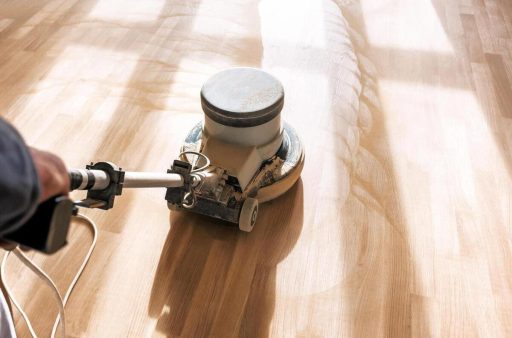
Drum sanders and heavy belt machines remove material fast. They also create serious dust from sanding hardwood floors, which tends to compound the risk on engineered surfaces.
On solid hardwood, that’s fine. On engineered floors, it’s often a disaster.
Those machines amplify unevenness. One slightly lower board and suddenly you’ve sanded through veneer in one spot while the rest of the floor looks untouched. From what we see on engineered refinishing projects, aggressive equipment paired with thin veneer is the most common failure combination.
Finish and Sheen Choices That Reduce Risk
Finish choice matters more than most people expect. High-sheen finishes reflect light and highlight sanding marks. On engineered floors, that can expose defects you can’t sand out.
Lower sheens hide minor imperfections better. Water-based finishes also help keep color more consistent when veneer thickness varies.
According to NWFA refinishing guidelines, compatibility testing is essential before recoating or refinishing factory-finished engineered floors. Skipping that step is how adhesion failures happen.
When Refinishing Is Not the Right Solution
When Screening and Recoating Makes More Sense
If the wear is in the finish, not the wood, screening and recoating engineered hardwood floors is usually the smartest option.
This works well when the color is still acceptable, damage is shallow, and the wear layer is thin. It also preserves future options – something sanding doesn’t do.
For a lot of engineered floors, recoating is the last safe intervention before replacement enters the picture.
When Replacement Is the Safer Option
Replacement sounds drastic. Sometimes it’s not.
Floors with widespread veneer damage, moisture issues, or multiple prior sandings rarely respond well to refinishing. Trying to save them often costs more in the end.
| Option | Risk Level | Longevity |
|---|---|---|
| Recoat | Low | Medium |
| Refinish | Medium to High | Medium to Long |
| Replace | Low | Long |
When to Call a Professional Before Sanding
If there’s uncertainty about veneer thickness, sanding history, or finish compatibility, professional evaluation matters. Engineered floors don’t give second chances.
We see plenty of DIY projects that start strong and end with irreversible damage. According to EPA indoor air quality guidance, sanding also introduces dust and ventilation concerns that are easy to underestimate.
A short inspection can save a very expensive lesson.

Making the Right Call Without Ruining the Floor
Engineered hardwood floors live in a gray area. Some can be refinished. Many can’t. And the difference between success and failure is often measured in fractions of a millimeter.
From what we see in real homes, the biggest risk isn’t the floor. It’s assuming it behaves like solid wood. Thin veneers don’t forgive aggressive sanding, rushed decisions, or that “one more pass” mentality.
If you’re weighing your options, slow down and assess first. Most costly mistakes we see happen when people assume engineered floors behave like solid wood once sanding starts. At 1 DAY® Refinishing, our crews approach engineered floors carefully. Sometimes that means sanding. Often it means recoating. And sometimes it means being honest and recommending replacement instead. The goal’s always the same – make the floor look better without shortening its life.