
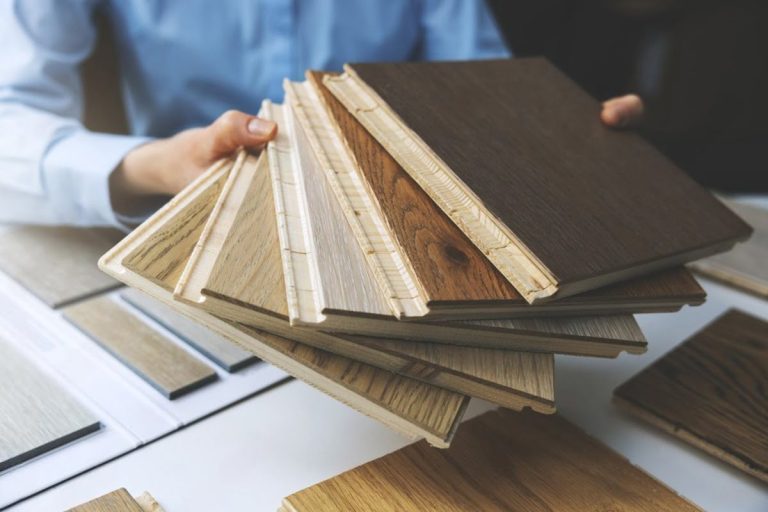
Hardwood floor refinishing is one of the most practical ways to bring tired wood floors back without replacing them. It restores beauty, helps protect the floor, and can support home value at the same time. This FAQ covers the questions homeowners across the USA and Canada ask most often about refinishing, including signs of wear, methods, costs, maintenance, and what to expect while the work is happening.
What is hardwood floor refinishing and why should I do it?
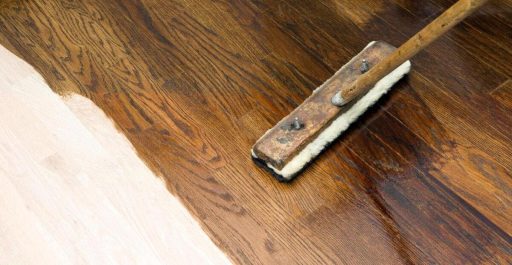
Hardwood floor refinishing is the process of renewing the wood surface and protective finish so older floors look better and last longer. Depending on the condition, that can mean full sanding down to bare wood or a lighter recoat over the existing finish.
Most homeowners do it when the floor starts looking tired before the wood itself is actually finished. Traffic lanes go dull, scratches show more in daylight, and the floor stops looking fresh even after cleaning, especially when scratches appear on hardwood floors. Once the finish wears down, the wood is more exposed to moisture, staining, and everyday abrasion.
From what we see on real jobs at 1 DAY® Refinishing, timing matters. A floor caught early may still be a candidate for a screen and recoat. A floor with exposed wood, deeper scratching, or broader finish failure usually needs full sanding. That difference changes the price, downtime, and how much life you can still get out of the floor.
How can I tell if my floors need refinishing?
Floors usually need refinishing when you see scratches, dull traffic lanes, worn finish, water marks, or other signs that the protective layer is breaking down. In most homes, those signs show up gradually, not all at once.
Dullness is often the first clue because wood floors rarely wear evenly. Hallways, kitchen paths, and entry areas usually look tired before the rest of the room. Once the sheen drops in those lanes, the floor starts reading as older and less protected. Light surface scratches can often be repaired through professional refinishing.
Scratches matter too, but depth matters more. Light surface scratches often improve well with refinishing. Deeper scratches that go through the finish and into the wood are a different call. Water stains can also go either way: small spots may still be manageable, while deep black staining, softness underfoot, cupping, movement, or unstable boards usually point to a larger issue.
What are the main refinishing methods and how do they differ?
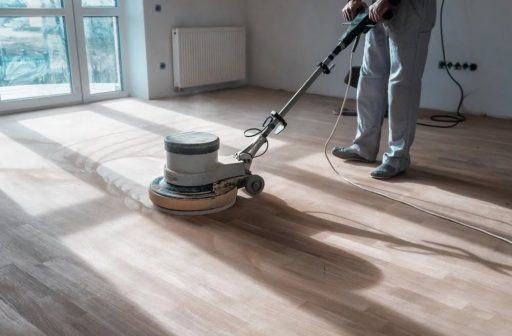
The two main hardwood floor refinishing methods are full sanding and screen and recoat, also called buff and coat. Full sanding removes the old finish and works best for deeper scratches, exposed wood, stain issues, and broader finish failure. Screen and recoat lightly abrades the existing finish and adds a new coat, so it works better for light wear when the damage is still mostly in the finish layer.
The real difference is depth. If the wear is mostly on the surface, a recoat may be enough. If the damage reaches the wood, or the finish is already failing badly, full sanding is usually the better fit. Our crews run into floors all the time that were pushed toward a recoat even though they were already past that point.
Recoating can also fail when the floor has residue, polish build-up, or an unknown finish history. Finish manufacturer compatibility documentation matters here because adhesion is where these jobs usually succeed or fail. So the real question is often not how to recoat hardwood floors, but whether the floor should be recoated at all.
Can I refinish my floors myself or should I hire a professional?
DIY refinishing is possible for small projects, but professional refinishing often delivers a flatter, more consistent finish and better dust management. The first issue is sanding quality. Renting a machine is easy enough. Controlling the result is not. A floor can seem fine while you are working, then show waves, edge marks, stop lines, or uneven scratch patterns once natural light hits it from the side. That is one of the most common problems we see after DIY attempts.
Dust control is the other big difference. Professional setups are not perfect, but they are usually much better than what most rental-machine jobs can manage. That affects comfort in the house, cleanup afterward, and sometimes the finish itself. DIY can make sense on a small floor with realistic expectations, but for larger spaces the real question is not whether it is possible. It is whether it is a smart choice.
How much does refinishing cost in Canada and the USA?
In the USA, many homeowners plan around about USD 3 to 8 per square foot for hardwood floor refinishing. In Canada, a common planning range is about CAD 3 to 8 per square foot. Those are planning ranges, not fixed prices.
In the USA, pricing often shifts by city and region. Homeowners in New York, Boston, Chicago, Denver, Seattle, or Los Angeles may not see the same quote structure as someone in a smaller surrounding market. In Canada, homeowners in Toronto, Vancouver, Calgary, Edmonton, Ottawa, or Montreal may see different pricing based on labor availability, project size, and seasonal scheduling.
The floor itself still drives the final number. Square footage matters first. Floor type matters too, because solid hardwood and engineered hardwood do not carry the same refinishing limits. Finish choice, condition, repairs, and local labor rates also move the price.
| Cost Driver | What It Changes | Why It Matters |
|---|---|---|
| Square footage | Total price and sometimes price per sq. ft. | More area means more labor, finish, and time |
| Floor type | Method options and labor complexity | Solid and engineered floors do not carry the same refinishing limits |
| Floor condition | Prep, repair needs, and scope | Deep wear, stains, or damaged boards push cost higher |
| Finish choice | Material cost and process expectations | Different finish systems affect price, odor, cure time, and durability |
| Local labor rates | Market-specific pricing | Pricing varies by city, region, and contractor overhead |
| Method used | Recoat vs full sanding cost difference | A lighter maintenance-style process usually costs less than a full reset |
How long will my refinished floors last?
In most homes, refinished hardwood floors last about 7 to 15 years before they need major attention again. The real outcome depends on traffic, maintenance, and the finish system used.
Traffic is the biggest driver. A quiet guest room and a kitchen path used every day by kids, pets, and constant foot traffic do not age the same way. Wear usually shows up first in predictable places like entryways, hallways, kitchen work zones, and around dining chairs.
Maintenance matters just as much. Floors that stay clean and dry last longer. Grit acts like sandpaper, and residue-heavy cleaners can dull the finish faster than homeowners expect. NWFA guidance is useful here because it frames lifespan the right way: not as a fixed promise, but as a result shaped by use conditions, maintenance, and method choice.
Are all types of hardwood floors suitable for refinishing?
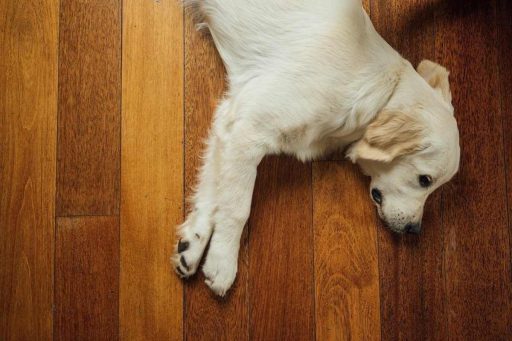
No. Many hardwood floors can be refinished, but not all of them. Solid hardwood is usually the most refinish-friendly, while engineered hardwood is more limited and depends heavily on the thickness of the top wear layer.
Solid wood is the easier answer. If the boards are stable and the floor is otherwise a good candidate, solid hardwood can usually be refinished multiple times over its life. That is why older solid floors are often still worth saving.
Engineered wood needs more caution. Some engineered floors can be refinished once, some maybe twice, and some are not realistic candidates at all. The deciding factor is usually the wear layer. If it is too thin, sanding can cut through the usable wood. From what we see on refinishing projects, engineered floors often hit that limit sooner than people expect.
What can refinishing fix, and what requires replacement?
Refinishing can usually fix scratches, dullness, worn finish, and many minor surface stains. It works best when the wood is still sound and the problem is mostly at the surface.
It can also improve floors that simply look tired. Uneven sheen, light traffic wear, and everyday surface-level damage are normal refinishing territory when the method matches the condition. That is why a lot of floors that look old are still very good refinishing candidates.
But there are hard limits. Deep water damage, rot, and structural issues are not refinishing problems. If boards are soft, badly warped, unstable, or stained all the way through from long-term moisture, sanding alone will not solve it. Sometimes a few boards can be replaced and the rest refinished. Sometimes replacement is the better call.
How should I maintain my floors after refinishing?
After refinishing, the best maintenance habits are simple: use gentle hardwood floor cleaners, avoid excess water, remove grit often, and protect the areas that take the most traffic. That is what keeps the finish looking better for longer.
Too much moisture is the most common day-to-day mistake. Even a well-finished floor does not like standing water or repeated wet cleaning. Excess water gets into seams, stresses the finish, and can lead back to the staining and movement issues homeowners were trying to avoid.
The second problem is residue. Many products sold for shine or convenience leave something behind. That build-up can make a floor look cloudy, dull, or harder to recoat later. Area rugs and runners also help a lot, especially in entryways, hallways, and under dining areas where chairs drag and grit builds up.
How long does the refinishing process take and can I stay in the house?
In most homes, hardwood floor refinishing takes about 1 to 5 days, depending on the method, the size of the job, and the finish system being used. That timing is fairly consistent in both the USA and Canada, though scheduling and room access can still vary by home and market.
A screen and recoat job is usually faster and often easier to live through. Many homeowners can stay at home during that type of project if they can work around room closures and drying windows. It is still disruptive, just usually less disruptive than full sanding.
Full sanding is a different experience. There is more noise, more dust management, more restricted access, and often a bigger effect on how the home functions for a few days. Some households can remain at home if the layout allows it. Others do better with temporary relocation, especially when there are pets, small children, odor sensitivity, or limited ventilation.
One point that gets missed a lot is the difference between dry time and full cure time, and how to manage living in the house safely while your floors are being refinished. A floor may feel dry enough to walk on carefully before it has reached full hardness. That matters because early traffic, rugs, or heavy furniture can mark a floor before the finish has fully developed. EPA indoor air quality guidance is also relevant when odor sensitivity and ventilation are part of the decision.
Conclusion
Hardwood floor refinishing is one of the most cost-effective ways to protect a wood floor and extend its useful life. When homeowners understand the process, the cost range, the right method for the condition, and the maintenance that follows, they usually get better and longer-lasting results. That holds up whether the project is being planned in the USA or in Canada, even if pricing, scheduling, and local market conditions vary from one city to another.