
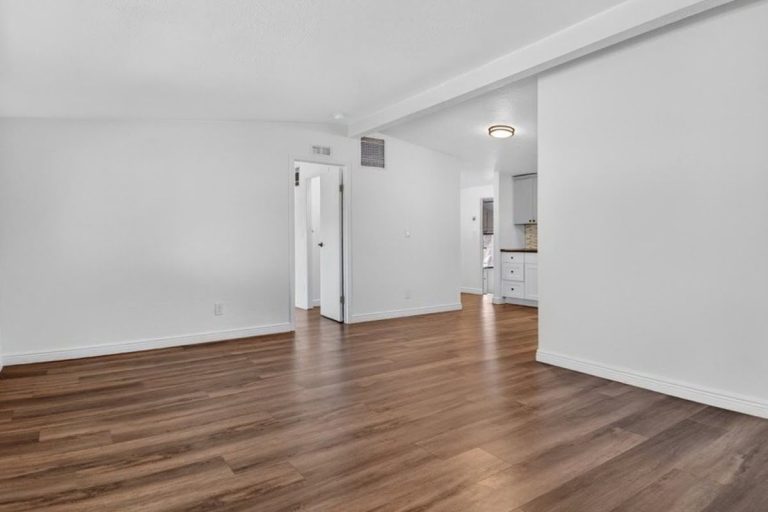
A floor can look worse right after refinishing because fresh finish changes how the whole surface catches light. It reflects differently. It has more contrast. Marks that were hiding under a dull old coating can suddenly show up. That is one reason homeowners search for why floors look worse right after refinishing even when the job may not be failing.
Some of that early look is normal. The floor may look brighter, glossier, a little uneven from one angle, or much more dramatic in direct sunlight. A mild haze can also look different while the finish settles.
Now here’s the thing. The call changes when the marks are consistent. Strong swirl patterns, obvious edger marks, picture framing, patchy sheen across bigger areas, cloudiness that stays put, or stain blotches that do not seem to “settle” are not the same as normal new-finish shock.
So the honest answer is: some of this improves, and some of it does not. What decides it is the pattern, the light, the texture, and whether the issue stays visible in normal room conditions.

Lighting and Fresh Finish: Why Every Mark Shows Up at First
Fresh finish works almost like a new lens over the floor. It adds reflection, depth, and contrast. That can make hardwood look cleaner and richer, sure. But it can also make every small sanding mark, dust speck, lap line, or grain change easier to notice.
This is the part our crews run into a lot. Looks fine from the doorway… then the sun hits it. Low-angle light, sometimes called raking light, is brutal on floors. It can make swirls telegraph across a room, even when those same marks are hard to see under softer evening light.
Sheen plays into this too. A shinier finish reflects more, so small surface changes stand out faster. Satin and matte finishes can hide some glare, but they can still show patchy areas if the coating or sanding pattern is uneven. This is also why choosing between different hardwood floor finishes affects more than durability. It affects how the floor reads in real light.
So no, “it looks worse in sunlight” does not automatically mean the floor is ruined. Flooring pros usually judge the floor in normal room light first, then use harsh light to understand what kind of issue they are actually looking at.
What You Might See Early: Swirls, Haze, Uneven Sheen, and “Picture Framing”
Swirl marks after refinishing are one of the most common complaints. They usually look like small circular or arcing scratches. Stain and fresh finish can make them stand out because the coating adds contrast. A faint mark that only shows in harsh side light is one thing. Repeated swirls that show clearly while you walk through the room are different. That usually points back to sanding, not curing.
Haze after polyurethane can be harder to judge. Sometimes the floor looks a little cloudy because the finish is fresh, the light is strong, or the room is empty. That can look bad – well, sometimes. Depends on whether the haze is even or patchy. Cloudy patches are different from a mild, even cast. If haze looks blotchy, milky, trapped under the finish, or stronger in some areas than others, it may not be simple settling.
Uneven sheen after sanding and refinishing is another one homeowners often misread in the first days. Fresh finish can look different depending on angle, board direction, and room lighting – this is where “uneven sheen” is often a lighting problem, not a failure. But patchy sheen that reads as dull spots, shiny islands, or visible overlap lines across a large area can point to application or surface-prep issues.
Then there is picture framing. This happens when the edges or perimeter look different from the centre of the floor. Sometimes the middle looks clean, but the wall line, corners, or edges show a halo. Edger marks after refinishing can create that framed look. If the border stands out in normal light, it usually deserves attention.
| Early appearance issue | What it usually suggests | When to worry |
|---|---|---|
| Swirl marks | Sanding scratches made more visible by stain or fresh finish | Repeated patterns show clearly in normal room light |
| Haze or cloudiness | Fresh finish appearance, moisture, coating thickness, or trapped residue | Cloudiness stays patchy or milky instead of evening out |
| Uneven sheen | Light angle, sheen sensitivity, lap marks, or coating variation | Large dull/shiny zones remain obvious across the floor |
| Picture framing | Edge sanding or perimeter finish/stain difference | The border stands out even when the room is normally lit |
| Dust nibs | Small particles caught in the finish | The surface feels rough or gritty under hand or sock |
NWFA sanding guidance often comes back to the same idea: the finish does not hide sanding marks. It usually reveals them. That is why sanding marks on hardwood floor become more noticeable after the floor is stained or coated.
Stain and Tone Changes: Why Colour Can Look Off at First
Stain can make a floor look different from what the homeowner expected, especially in the first few days. A sample may have looked balanced. Then the full room gets stained, the finish goes on, sunlight hits it, and suddenly the colour feels darker, warmer, cooler, or less even than expected.
When stain looks blotchy after refinishing, the cause is not always one clean answer. Some woods absorb stain unevenly by nature. Old repairs, filler, previous stains, water marks, and board-to-board variation can also change the final look. A floor made from mixed boards may never read as one flat, uniform colour.
Water-based finish can add another layer of confusion. It often keeps the colour clearer, so natural grain and sanding marks may show more. In some cases, grain raising with water-based finish can also leave a slightly rougher texture or stronger grain feel.
Tone also changes by room. A floor can look warm in a south-facing room, cooler in shaded light, and more reflective under LEDs. That does not automatically mean the stain failed. The concern grows when blotches stay fixed, repeat across sanding zones, or do not match natural board variation.
What Improves With Time vs What Usually Doesn’t
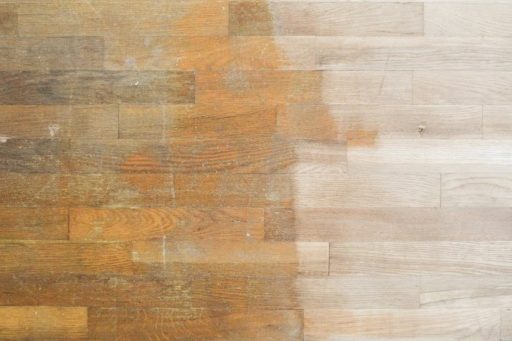
Some early appearance issues improve because the finish is still curing and the room is not back to normal. The fresh gloss may feel less harsh. Mild, even haze may soften visually. Early scuff sensitivity can reduce as the finish hardens. The colour may also feel less shocking once furniture, rugs, and normal shadows return.
What usually does not improve is the part people need to be clear on. Repeatable swirl patterns do not cure out. Strong picture framing does not usually blend away. Persistent patchy sheen across a room should not be brushed off as “just new finish.” Blotchy stain that stays in the same shapes is also unlikely to fix itself.
Dust nibs sit somewhere in the middle. Tiny particles seen only in harsh light may be part of site-finished floor reality. But dust nibs in finish that you can feel are different. A gritty surface, raised specks, or rough texture under socks means the issue is physical, not just visual. That is also where dust from sanding hardwood floors can become more than a cleanup topic.
Manufacturer guidance on floor finishes usually separates dry time from cure and final performance. That distinction matters. A floor can be usable before it has reached its final hardness, but curing does not erase sanding patterns or clear true finish defects.
When It’s a Real Red Flag: Signs You Shouldn’t Ignore
A real red flag is not one tiny mark found while crouching in sunlight. It is a pattern that stays visible during normal use.
Strong, consistent swirl marks are one example. If they run through the room and do not change much by angle, they probably come from sanding. Perimeter edge issues are another. Picture framing that jumps out in normal room light is not the same as a slight edge difference seen only from one angle.
Patchy sheen across a large area also deserves attention. A floor should not look like it has random dull islands, shiny bands, or obvious overlap lines after the finish settles.
Cloudiness is the same. Mild early haze can be part of the first impression. Cloudiness that stays milky, patchy, or trapped-looking is a different concern.
Peeling, flaking, fish-eyes, or finish that separates from the floor are not normal early appearance issues. Those point toward adhesion, contamination, or coating failure.
Quick Recap: Why It Looks Worse, and How to Tell if It’s Normal
A refinished floor can look worse at first because fresh finish and strong light reveal more than the old dull surface did. Swirls, haze, uneven sheen, dust nibs, blotchy stain, and picture framing all need context.
If the issue softens as the finish cures, changes by angle, or only appears in harsh light, it may be normal early appearance. If it stays visible in normal light, repeats in clear patterns, feels rough, looks cloudy, or shows edge contrast across the room, treat it as a real concern.