If you want the clean answer first, spring and fall are often the best time to refinish floors. Indoor conditions tend to be steadier, ventilation is usually easier, and most households can live through those projects with less stress than a winter job in a sealed-up house or a summer job in sticky air. That part is true.
But “best time” usually gets misunderstood. It does not really mean “best month on the calendar.” It means the best mix of stable indoor humidity, workable temperature, realistic ventilation, manageable disruption, and a floor condition that still gives you some choice. Wood reacts to temperature and relative humidity, and professional guidelines treat those environmental conditions as part of the jobsite picture because they affect the floor, the building, and the finishing environment.
So yes, spring and fall are often easier. Not automatically better for every house, though. A well-controlled home in summer can give you a better project window than a damp, unstable week in spring. A winter project can go just fine too, but it gives you less room for sloppy planning. And if the finish is already wearing through, waiting for the “perfect season” can cost you more than just getting the work done in the next good window.
At 1 DAY® Refinishing, that is usually how we explain it. Pick the season second. First look at the floor, the indoor conditions, and how your household is actually going to live through the project.
What Actually Affects the Timing of Floor Refinishing?
Humidity and wood movement
Humidity matters more than most homeowners expect. Wood is not static. It responds to moisture in the air, which is why tracking temperature and relative humidity is important when evaluating wood floor conditions. When indoor humidity rises, boards can take on moisture and expand; when the house dries out, boards can shrink and gaps can appear.
That does not mean you need to watch the weather constantly. Instead, focus on maintaining stable indoor conditions. A humid summer afternoon outside matters less if your home stays controlled. A mild spring week can still cause issues if windows are opened and closed at random, letting indoor humidity swing between damp and dry.
That does not mean you need to stare at the weather every day before refinishing. It means you need to pay attention to what is happening inside the house. A humid summer afternoon outside matters a lot less if the home stays controlled and consistent. A mild spring week can still be a problem if windows are being opened and closed at random, the house swings damp to dry, and indoor conditions never really settle.
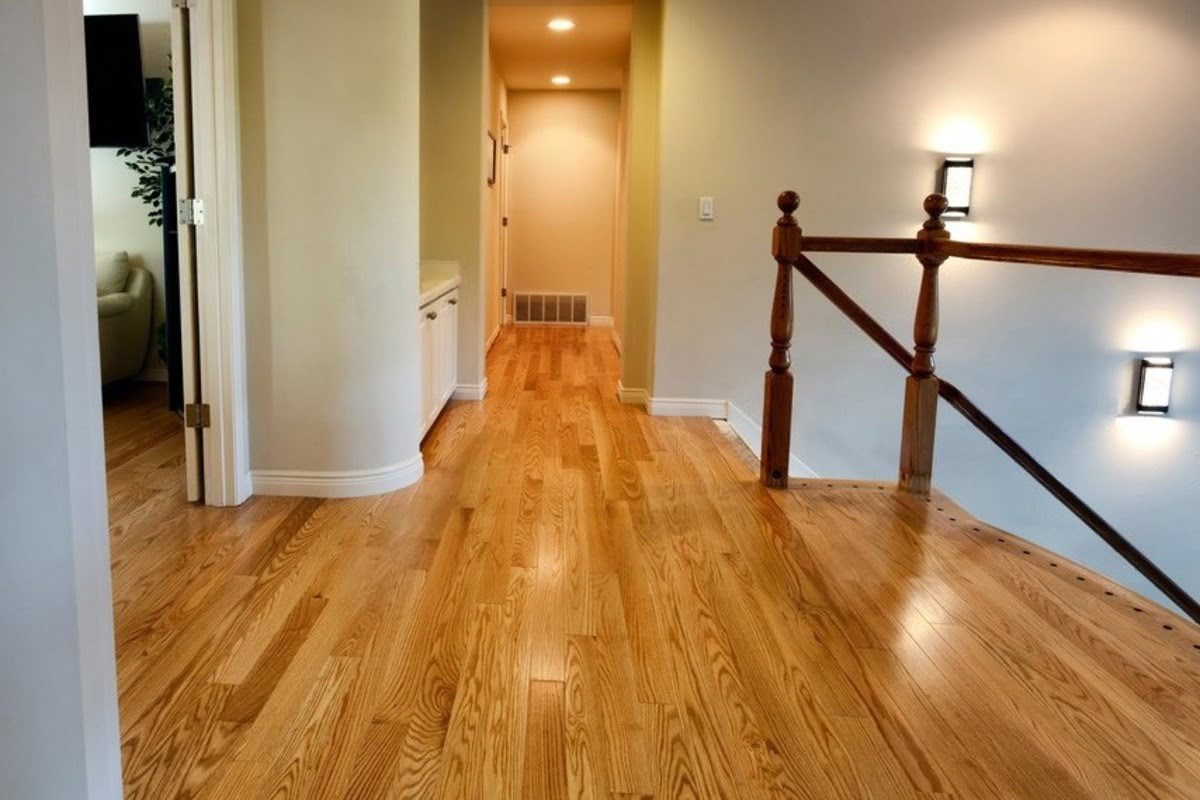
This is where people get timing wrong. They hear the season and assume the answer is built in. Spring sounds safe. Fall sounds ideal. Summer sounds risky. Winter sounds impossible. Real jobs are not that neat. The better question is usually: How stable is the house right now?
If the indoor environment is steady, you are already a lot closer to a good refinishing window. If humidity is swinging hard inside the house, the season name matters less than the instability. That is the part people underestimate.
Temperature, dry time, and cure time
Temperature affects the project differently. It changes how the finish behaves, how quickly it dries, and how predictable the schedule feels. Manufacturer guidance for floor coatings usually gives indoor working ranges and warns that higher humidity or lower temperatures can stretch dry time. Pallmann, for example, lists typical room-condition ranges and notes that both humidity and temperature affect drying behavior.
This is also where homeowners mix up two things that are not the same: dry time and cure time.
A floor can be dry enough for the next step – or even light use – and still not be fully cured. That gap matters. A finish that feels dry to the touch is not necessarily at full hardness yet. From a scheduling standpoint, that changes how you think about furniture, rugs, pets, and heavy traffic in the first days after the job.
Our crews often see homeowners plan around the day the crew finishes, rather than the full period needed for the finish to harden completely. This can make the schedule feel tighter than expected, because “dry” is not the same as fully cured. Finish manufacturers consistently note that application conditions affect drying, and full cure takes longer than surface dry. Looks dry. Still not cured. That’s the key point to keep in mind.
That is one reason summer can look appealing. Warmer conditions can help the project move along. But faster dry time is not the full answer. If the humidity is high, you can gain speed in one direction and lose predictability in another. Timing gets better when you stop asking, “Which season is fastest?” and start asking, “Which season gives my house the cleanest, steadiest working window?”
Ventilation and living conditions inside the home
Ventilation changes the answer more than weather headlines do. EPA remodeling guidance stresses source control, separating the work area, and using exhaust ventilation to reduce pollutants and keep contaminants from spreading through the home. EPA also notes that ventilation helps reduce VOCs and other airborne contaminants from indoor sources.
That matters because refinishing is not just a floor question. It is also a living-in-the-house question. Can windows realistically be opened? Will outside heat or cold make that miserable? Are kids home all day? Do you work from home? Is someone sensitive to odor or airborne dust? If you are trying to stay in the house during the project, those questions can matter just as much as the finish schedule itself.
Spring and fall often feel easier here because the house can breathe without becoming uncomfortable. In summer, ventilation can fight with humidity control. In winter, you may end up choosing between fresh air and keeping the house warm and stable. This is where timing gets less “seasonal” and more personal.
If that part is your biggest concern, it helps to look at how floor refinishing works when you are living in the house during the process. Timing is not only about the floor turning out well. It is also about whether the household can function while the work is happening.

Season-by-Season Guide to Refinishing Floors
Spring: Balanced conditions, busy schedules
Spring is one of the easier seasons to recommend, but not because spring has some magical effect on hardwood. It is easier because indoor and outdoor conditions are often more cooperative at the same time. You can usually ventilate the house without freezing it out, and many homes have not hit the deep summer humidity issues that make conditioning harder.
That said, spring gets busy. A lot of homeowners wait through winter and then try to get on the calendar as soon as the weather improves. So spring can be good for the floor and frustrating for scheduling. If you already know you want a spring project, book earlier than you think you need to.
Summer: Faster drying, higher humidity risks
Summer is where people tend to oversimplify things. Some assume summer is great because the project can move faster. Others assume it is automatically a bad idea because humidity is high. Both takes are too simple.
Summer can work really well in homes with strong air conditioning and good humidity control. The project may feel efficient, and some families prefer to use vacation windows or school breaks to deal with the disruption. But when the house runs damp, or windows stay open during humid weather, summer gets less forgiving. Faster dry time does not help much if the indoor environment is unstable.
Fall: Often the easiest season to schedule and ventilate
Fall is often the season I trust most for a smooth project. In a lot of homes, it gives you the best mix of workable ventilation, steady indoor comfort, and fewer moisture headaches than midsummer. It is also a time when the household often feels easier to organize than the beginning of summer chaos.
The catch is obvious. Other homeowners think the same way. Fall can become a very busy booking season, especially for people trying to finish projects before holidays and colder weather. So yes, fall is often excellent. It is just not always the easiest season to book at the last minute.
Winter: Possible, but less forgiving
Winter projects are absolutely possible. The reason they get a bad reputation is not that floors cannot be refinished in winter. It is that winter punishes unstable indoor conditions faster. Heating systems can dry the house out. Ventilation is less comfortable. People keep the home shut up more. And if the house already swings between dry and warm or cold and stuffy, you have less margin for error.
That does not make winter wrong. It just means the house needs to be more controlled and the schedule needs to be more realistic. Homes with steady heat, thoughtful planning, and limited traffic pressure can do perfectly fine with winter refinishing. Homes that are chaotic, drafty, or packed with people all day usually feel the strain more.
| Season | Typical conditions | Main advantage | Main risk |
|---|---|---|---|
| Spring | Usually moderate indoor/outdoor conditions, easier airflow | Balanced ventilation and generally workable indoor stability | Busy schedules and booking pressure |
| Summer | Warmer conditions, sometimes faster dry response | Efficient timing in climate-controlled homes | High humidity can make conditions less predictable |
| Fall | Often comfortable ventilation and steadier household rhythm | Usually the easiest all-around season to manage | High demand before holidays and colder weather |
| Winter | Closed-house conditions, heating-driven dryness, less fresh-air flexibility | Can work well in a tightly controlled home | Less forgiving if temperature, humidity, and living conditions are unstable |
That table is really the point. Spring and fall often win on balance. Summer and winter can still be very good choices when the house supports them. The real question is not “Which season is best?” It is “Which season gives this house the most stable, livable project window?”
When the “Best Season” Depends on Your Situation
This is the part homeowners usually need most, because real projects are almost never scheduled in a vacuum.
If you work from home, the best season may be when you can leave the house easily or ventilate it without disrupting your day. Kids at home in summer can make the timing easier or harder, depending on your setup. Pets that pace the same paths and dislike confinement add another factor, meaning the optimal timing often has less to do with humidity and more with when they can be relocated.
Move-in and move-out windows can change the answer fast. An empty house in July is often a better project than an occupied house in October with no spare room, no schedule flexibility, and a family trying to live around closed-off spaces. Vacation timing can help for the same reason. The floor is not the only thing being managed here. The household is too.
This is also where odor sensitivity and dust concerns matter. EPA remodeling guidance stresses ventilation, source control, and isolation of the work area to reduce exposure to pollutants and particles. That becomes much easier to manage when the season allows the house to breathe and the family can stay clear of the work zone.
At 1 DAY® Refinishing, this is usually the point where we stop talking about the weather and start talking about the family calendar. Homeowners expect the answer to be “fall is best.” Sometimes it is. Sometimes the better answer is, “You have a clean opening in early summer, the house is air-conditioned, and the floor should not wait three more months.” Sounds simple . . . until you try to schedule around real life.
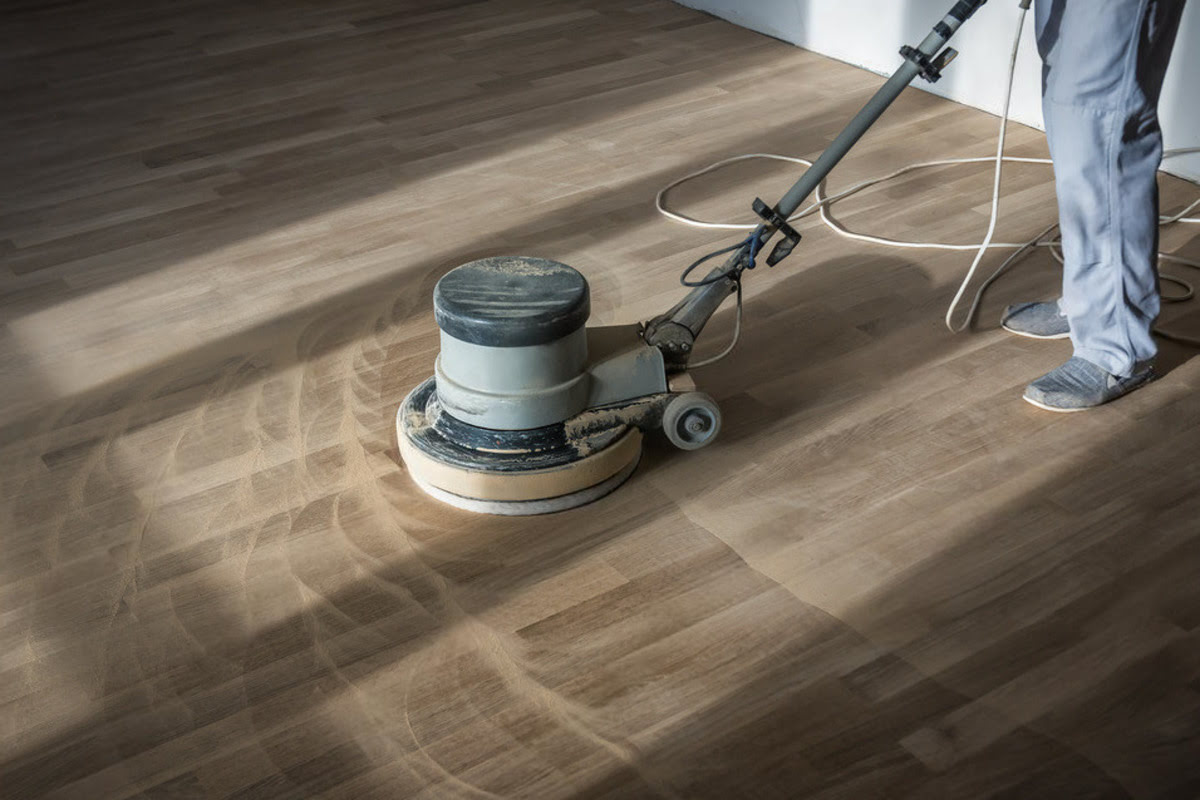
When You Should Not Wait for the Perfect Season
If the finish is wearing thin, traffic lanes look raw, the wood is getting exposed, or water marks are getting easier to set into the floor, waiting can backfire.
This is where the “perfect season” idea causes trouble. Homeowners tell themselves they will do it in the fall, then fall gets busy and turns into winter, and by spring the floor is in worse shape than it was when they first noticed the problem. What could have been a more controlled project becomes a more urgent one.
A floor does not need to be destroyed before timing becomes condition-driven. Worn-through finish, exposed bare wood, or clear breakdown in high-use paths are all signs that the conversation should shift from “What season do I prefer?” to “How much flexibility do I actually have left?”
That is especially true around kitchens, entries, pet routes, and other areas where daily moisture or grit hits the same spots again and again. A floor with a weakening finish is more exposed while you wait. If you already know the protection is going, the best season may simply be the first season when you can do the project correctly.
That is the contractor version of the answer. Ideal timing is great when the floor gives you options. Once the finish stops giving you options, the right move is to schedule the work in the next solid window you can actually support. The effects of wood moisture on floor finish are important for choosing the right timing and conditions for refinishing your floors. This helps explain why indoor humidity and climate control matter for the project, especially in kitchens, entryways, and other high-traffic areas.
How Climate and Region Change the Answer
Regional climate changes the advice more than broad seasonal articles usually admit.
In a humid climate, summer may be harder unless the house is well air-conditioned and dehumidified. In a dry climate, winter heating may pull the house even drier, which changes comfort and wood movement in a different way. Coastal areas can deal with persistent moisture patterns that make indoor control more important year-round. NWFA technical resources specifically include moisture, wood, and regional climate variation as part of the professional evaluation framework.
That is why two homeowners can both ask, “Is summer too humid for floor refinishing?” and get different practical answers. One lives in a house that stays controlled and consistent. The other lives in a house that turns sticky the second the windows open. Same season. Different jobsite reality.
Winter works the same way. In some homes, winter is stable because the HVAC system runs predictably and the indoor environment stays controlled. In others, winter means dry air, closed rooms, poor ventilation options, and a household that feels trapped by the project.
So if you want a more accurate answer, start with your region, then narrow it to your house. That is usually more useful than broad national advice.
Questions to Ask Before You Schedule Floor Refinishing
- Is the floor still protected, or am I already seeing wear-through?
If the finish is still doing its job, you have more flexibility. If the wood is being exposed, the schedule should tighten up. - How stable are the indoor conditions in my home right now?
Not the weather app. The house. If temperature and humidity swing hard indoors, that matters. - Can we ventilate the work area in a realistic way for this season?
EPA renovation guidance is pretty clear that ventilation and isolation matter when you are trying to reduce pollutant spread and improve indoor air quality during remodeling. - Can we actually live through this project at this time of year?
Consider kids, pets, remote work, room closures, and anyone in the house who may be sensitive to odor or airborne dust. If that is a concern, understanding how sanding dust behaves is important before finalizing the timing. - Am I planning around dry time only, or around cure time too?
That question saves a lot of frustration. The crew being done is not the same as the floor being ready for full normal life. - Is there a better scheduling window tied to travel, move-in, or temporary vacancy?
An empty-house project can beat a “better season” in a crowded home almost every time. - Do I know how the floor will be treated right after the project?
That includes foot traffic, furniture timing, rugs, and basic upkeep. A lot of post-project frustration starts after the finish is applied, not just before. That is also where proper hardwood floor cleaning becomes more relevant than people expect.
For a more complete list of questions homeowners often ask about refinishing, we cover them in our detailed FAQ on hardwood floor refinishing.
Quick Recap: The Best Time of Year to Refinish Floors
Spring and fall are often the easiest seasons to refinish floors because they usually give you the best balance of stable indoor conditions, practical ventilation, and manageable household disruption. Summer can work very well in a climate-controlled home, but humidity can make it less predictable. Winter is possible too, but it gives you less room for error if the house is dry, closed up, or hard to ventilate.
The better decision model is simple: look at the floor condition, then the indoor environment, then the household schedule. That order keeps you from chasing nice-looking seasonal advice while ignoring the real jobsite.
At 1 DAY® Refinishing, that is usually what separates a smooth project from a frustrating one. The best time of year to refinish floors is not just the season with the nicest weather. It is the season when your house is stable, your schedule is realistic, and your floor has not been left waiting too long.


